

Nigeria’s Lithium Moment: Can Value Addition Become Industrialisation?
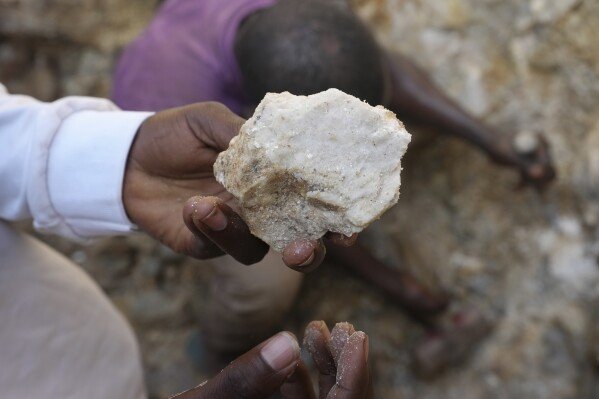
The global clean-energy transition has triggered an aggressive race for critical minerals. Nigeria’s recent solid mineral regulatory updates—banning the raw exportation of unprocessed lithium ores—force a major structural rewrite of international extraction contracts. This case study evaluates whether these regulations can successfully catalyze internal domestic industrialization.
Enforcing the Value-Addition Engine
For over a century, resource extraction in Africa followed a damaging colonial path: shipping unrefined raw minerals out to be processed into premium goods overseas, leaving the source nation with minimal economic benefit.
The current federal mandate disrupts this cycle by tying raw extraction licenses directly to building domestic processing facilities, processing plants, and battery component factories. This policy forces international mining companies to transfer technical skills and integrate their operations directly with local manufacturing networks and domestic energy supply lines.
References and Citations
Federal Ministry of Solid Minerals Development, 2026. Regulatory Directives on Local Value-Addition and Battery-Grade Ore Processing Requirements.
African Mining Vision (AMV) Committee, 2026. Regional Integration Guidelines on Raw Strategic Mineral Export Restrictions.