

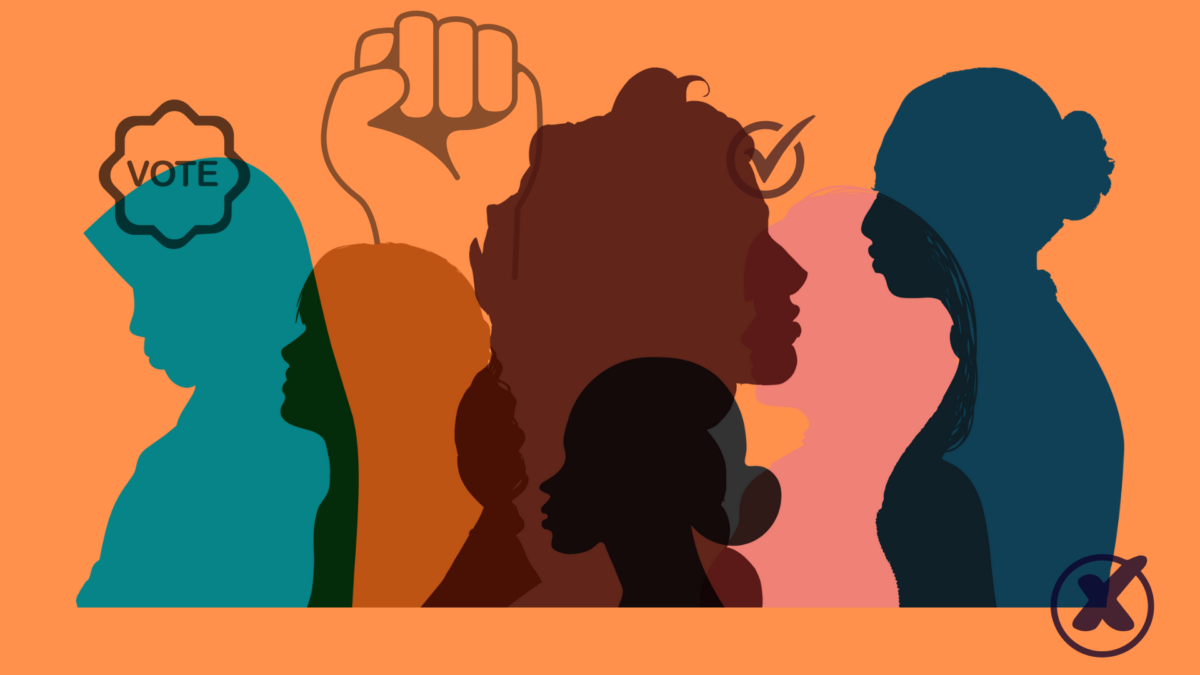
Women in Political Leadership: From Commitment to Representation in West Africa
Despite multi-decade diplomatic agreements pledging structural equity, actual female inclusion across regional West African legislative bodies remains severely depressed. This document tracks the shift away from performative corporate tokens toward hard-coded, mechanical structural seats inside party and state constitutions to force authentic representation.
Engineering Parity into the Electoral Matrix
Vague diversity statements yield no mathematical results inside fiercely contested electoral political landscapes. To bridge the massive gap between legislative intent and active representation, ECOWAS policy nodes are testing strict quota mechanisms.
True equality requires physical structural changes: modifying foundational electoral laws to designate non-negotiable, gender-allocated geographic voting blocks. By legalizing these institutional gatekeeping mechanisms, political networks eliminate deep historical patriarchical gatekeeping and force a diverse cross-section of system thinkers directly into high-level public planning spaces.
References and Citations
ECOWAS Secretariat, 2026. Gender Development Protocol and Equal Governance Representation Directives for Member Assemblies.
Federal Ministry of Women Affairs, Nigeria, 2026. National Operational Roadmap for Enforcing Statutory Parity Frameworks.