

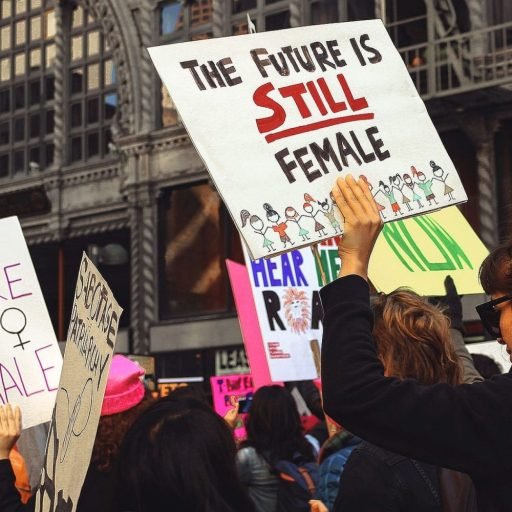
Pushing Back the Backlash — The Fight Over Women’s Right to Work and Lead
OHCHR published a feature on August 3, 2026, addressing what it described as a global backlash against women’s right to work and lead, framing the piece around efforts to push back against that trend (OHCHR, n.d.).
This OHCHR framing connects to a broader 2026 pattern documented elsewhere in SWR’s coverage: the rollback of workplace diversity, equity, and inclusion programs in the United States under EEOC enforcement pressure (see the DEI Studies brief series) has occurred alongside — though OHCHR’s framing suggests not necessarily separately from — a wider global pattern of resistance to women’s workplace and leadership participation specifically. Reading these two developments together suggests that what is sometimes framed narrowly as US-specific DEI policy retrenchment may be one national expression of a broader international trend OHCHR is tracking under a human rights rather than employment-law frame.
This distinction in framing matters substantively. US-based DEI coverage tends to center on legal compliance risk (EEOC enforcement, Title VII litigation) for employers. OHCHR’s human-rights framing centers instead on women’s substantive access to work and leadership as a rights question, independent of any particular country’s domestic anti-discrimination statute. Institutions covering both angles should be careful not to conflate the two frameworks, since a workplace policy can be legally compliant under a given jurisdiction’s anti-discrimination law while still representing, in OHCHR’s broader assessment, a contributor to the global backlash pattern it describes.
Organizations tracking gender-equity policy should monitor both regulatory/compliance developments (EEOC, Title VII litigation, as covered in DEI Studies) and the broader international human-rights framing OHCHR is applying, since these two lenses can produce different assessments of the same underlying workplace policy trend. Editorial coverage should specify which frame — legal compliance or human rights — a given piece is applying, to avoid readers conflating distinct analytical standards.
References
UN Office of the High Commissioner for Human Rights. (n.d.). OHCHR homepage. Retrieved August 9, 2026, from https://www.ohchr.org/en/ohchr_homepage
UN Office of the High Commissioner for Human Rights. (2026, August 3). Pushing against a global backlash to protect women’s right to work and lead [Feature story]. https://www.ohchr.org/en/ohchr_homepage